How much does a business sign cost? On average, a custom commercial sign costs between $2,000 and $3,500. However, depending on the size, location, and complexity of your design, the total outdoor business sign cost can range anywhere from a few hundred dollars to well over $100,000.
Whether you need a simple window graphic or a massive highway pylon, understanding custom business sign pricing helps you budget effectively for your brand’s most visible asset.
This comprehensive guide breaks down every aspect of commercial signage cost, installation fees, and industry-specific pricing.
At AGC Signs, we've been in the custom signage industry for over 10 years, and we specialize in everything from sign design to manufacturing, installation, and maintenance for all types of signage.
If you have questions about the pricing and installation of business signs, we'd love to put our expertise to work for you.
Key Takeaways
Average Cost: The average custom business sign costs $2,000–$3,500, but total costs range from a $100 vinyl decal to over $100,000 for massive highway pylons.
Cost Drivers: Signage is a custom architectural asset. Final pricing depends heavily on size, weather-resistant materials, LED components, and installation height.
Hidden Fees: Total installed costs must account for municipal sign permits ($200–$1,000), structural engineering reviews ($500–$2,000), and crane or bucket-truck rental labor.
Popular Sign Styles: Retailers typically invest in illuminated channel letters ($2,000–$10,000), corporate offices prefer low-profile monument signs ($5,000–$30,000+), and plazas require pylon signs ($10,000–$100,000+).
Strong ROI: Upgrading physical signage acts as a permanent, one-time marketing asset that can increase overall storefront sales revenue by 7% to 15%.
1. Commercial Signage Cost by Type
The single biggest factor driving your investment is the specific type of signage you choose.
Below is a professional breakdown of estimated price ranges by sign category, including the total how much does a business sign cost installed baseline.
| Sign Type | Average Price Range (Installed) | Best For |
|---|---|---|
| Vinyl Graphics & Decals | $100 – $1,000+ | Windows, doors, and budget-friendly branding |
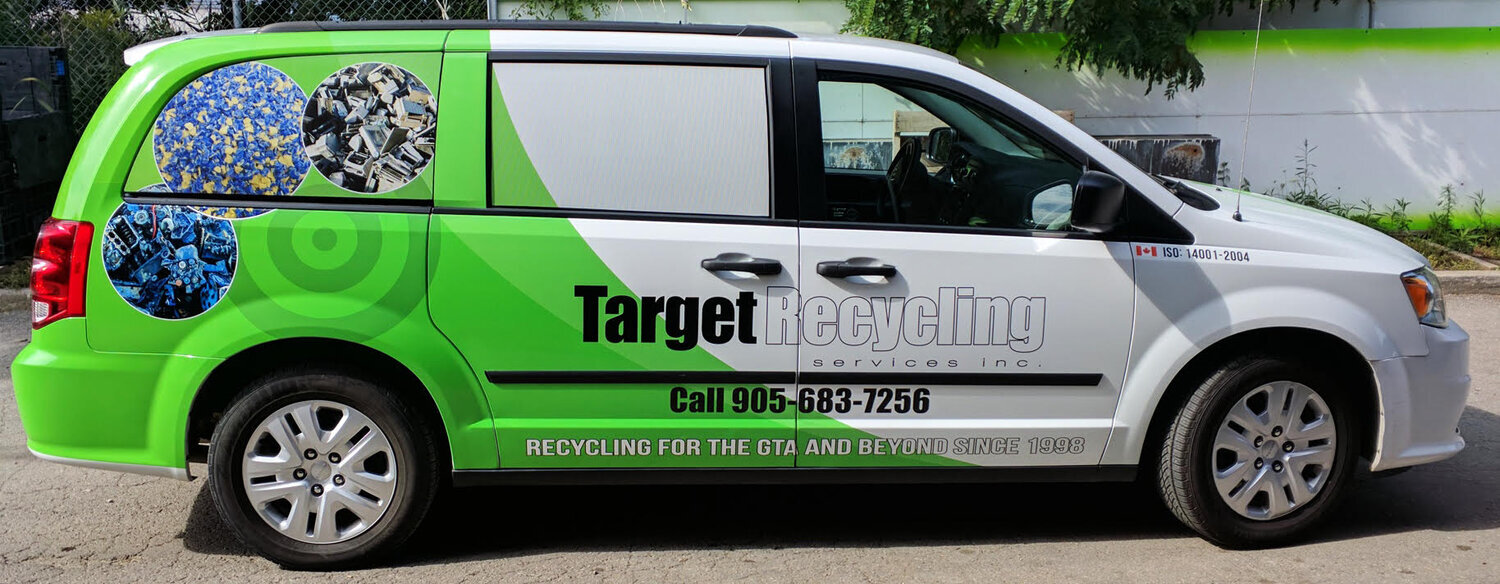
| Vehicle Wraps & Graphics | $100 – $3,000+ | Mobile advertising and service fleets |
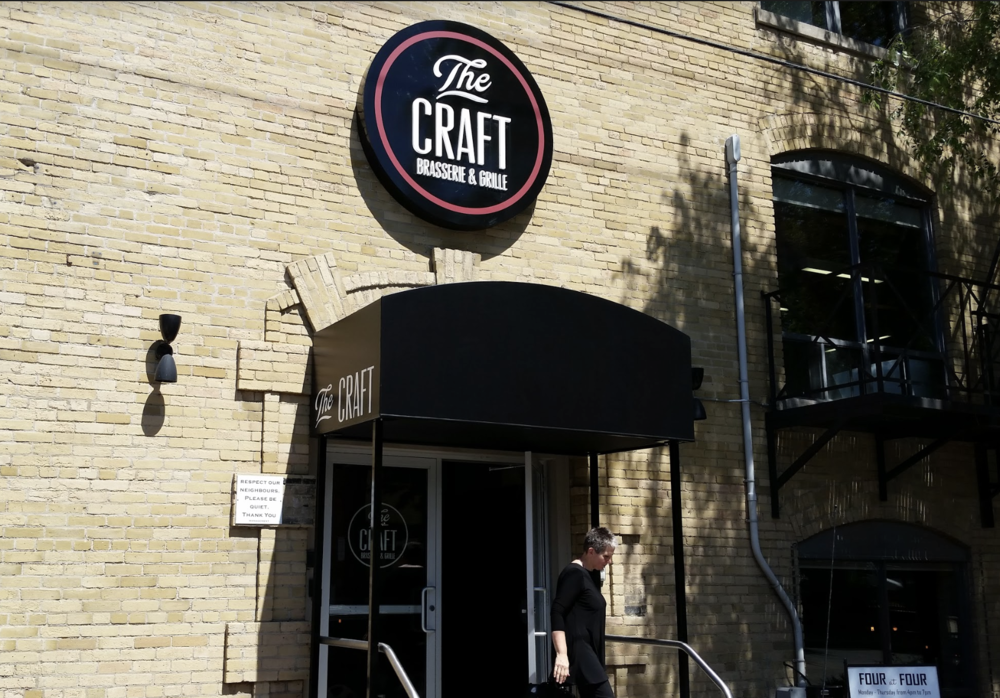
| Awnings | $500 – $10,000+ | Cafes, boutiques, and weather protection |
| Channel Letters | $2,000 – $10,000 | Retail storefronts and strip malls |
| Monument Signs | $5,000 – $30,000+ | Corporate offices, subdivisions, low-profile entryways |
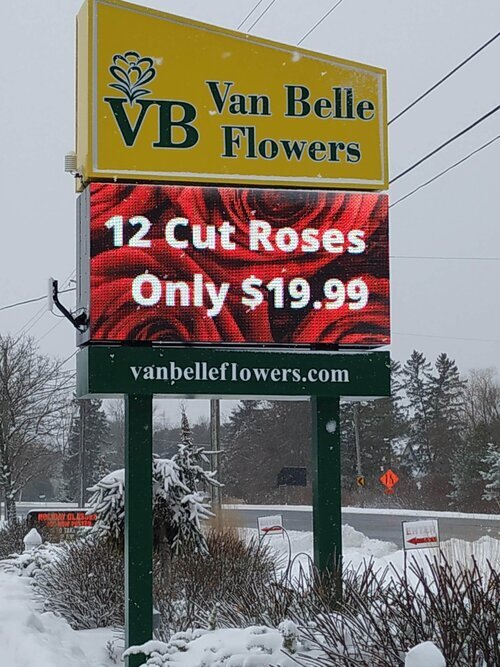
| LED / Digital Displays | $5,000 – $50,000+ | High-visibility messaging and dynamic updates |
| Pylon Signs | $10,000 – $100,000+ | Shopping centers, plazas, and highway visibility |
2. Why Are Business Signs So Expensive?
It’s a question nearly every business owner asks. The reality is that a high-quality commercial sign isn't just a printed poster; it’s a piece of custom-engineered structural architecture.
When you purchase a permanent outdoor sign, you are paying for:
heavy-duty, weather-resistant materials (like marine-grade aluminum, acrylics, and structural steel)
advanced electrical components designed to run safely 24/7,
and professional engineering that ensures the sign can withstand high winds and severe weather.
A sign is an investment built to represent your business safely and beautifully for a decade or more.


3. What Affects Business Sign Cost? (Expanded Breakdown)
To truly understand your quote, you need to look at the specific physical and regulatory variables that dictate custom business sign pricing.
Sign Size & Scale

What it is: The physical dimensions (height, width, and depth) of the sign structure.
Why it increases cost: Larger signs require more raw materials, heavier internal structural framing, and larger installation crews.
Real-World Example: Scaling a storefront sign from 6 feet wide to 12 feet wide can more than double the material and structural requirements.
Material Selection & Longevity
What it is: The type of substrates used, such as painted plywood, aluminum, high-density urethane (HDU), or acrylic.
Why it increases cost: High-grade materials resist UV fading, rust, and cracking. While a painted plywood sign costs as little as $200, it may only last 2–3 years, whereas an aluminum channel letter sign price yields a 10–15 year lifespan.
Real-World Example: Opting for routed aluminum over plastic face panels increases upfront costs by 30% but saves thousands in premature replacement expenses.
Design Complexity & Special Features
What it is: Intricate logos, custom fonts, multi-layered dimensional elements, and color matching.
Why it increases cost: Intricate shapes require precision CNC routing or manual fabrication labor. Simple black-and-white layouts are fast to produce, while multi-colored, layered logos demand extensive assembly time.
Real-World Example: A flat sign board costs significantly less than a custom-shaped logo box with individual, multi-layered acrylic overlays.
Electric Lighting & LED Components

How much does a business sign cost? Adding illumination will add to the price.
What it is: Internal illumination, halo backlighting, or external spotlighting.
Why it increases cost: The integration of UL-certified LED modules, power supplies, and internal wiring adds both material cost and specialized assembly labor. However, if your business operates at night, a non-illuminated sign loses its marketing value completely after dark.
Real-World Example: A standard non-illuminated storefront sign board may cost $1,500, whereas the same size LED sign cost for business spaces jumps to $4,500+ due to lighting components.
Permitting & Local Zoning Regulations
What it is: The legal approval required by your municipality before a sign can be installed.
Why it increases cost: Navigating municipal bylaws requires dedicated time, administrative paperwork, permit application fees, and site plan drawings. Failing to acquire a permit can lead to mandatory removal and hefty fines.
Real-World Example: In regions like Durham, municipal sign permits require precise engineering drawings to confirm the sign adheres to local height and setback limitations.
Structural Engineering & Foundations
What it is: The underground and internal support network that keeps large signs upright.
Why it increases cost: Free-standing signs must be anchored to withstand regional wind loads. This requires structural engineering stamps, deep excavation, steel rebar reinforcement, and poured concrete foundations.
Real-World Example: A high-impact pylon sign cost heavily reflects the need for a deep concrete footing and engineered steel poles to handle high-altitude winds safely.
Accessibility & Installation Environment
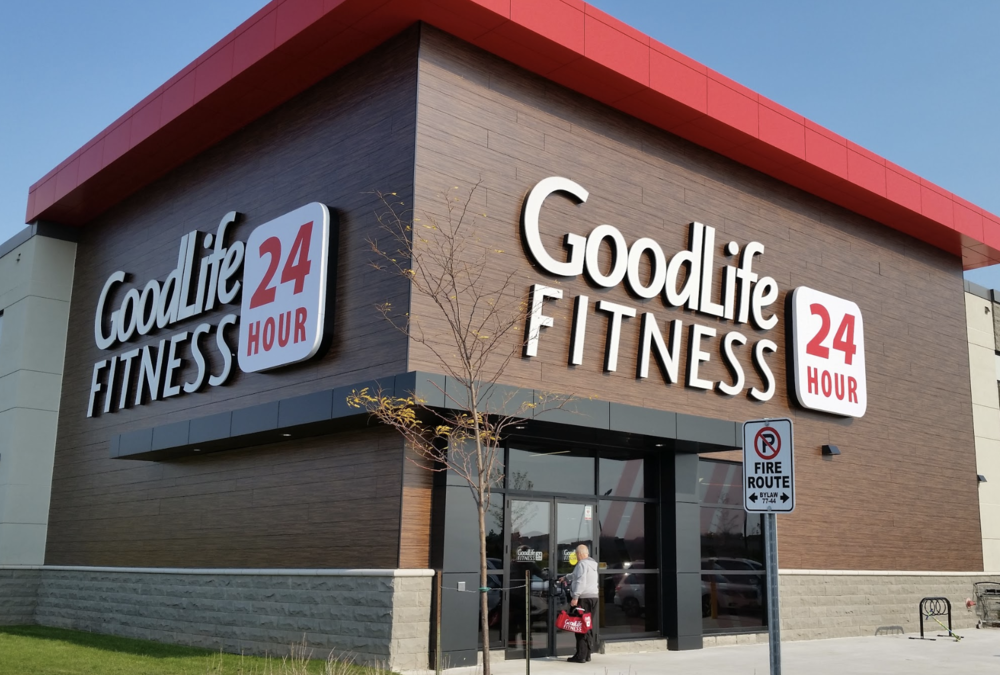
Storefront signs come in a wide variety of types and price points.
What it is: Where the sign is physically being mounted on your property.
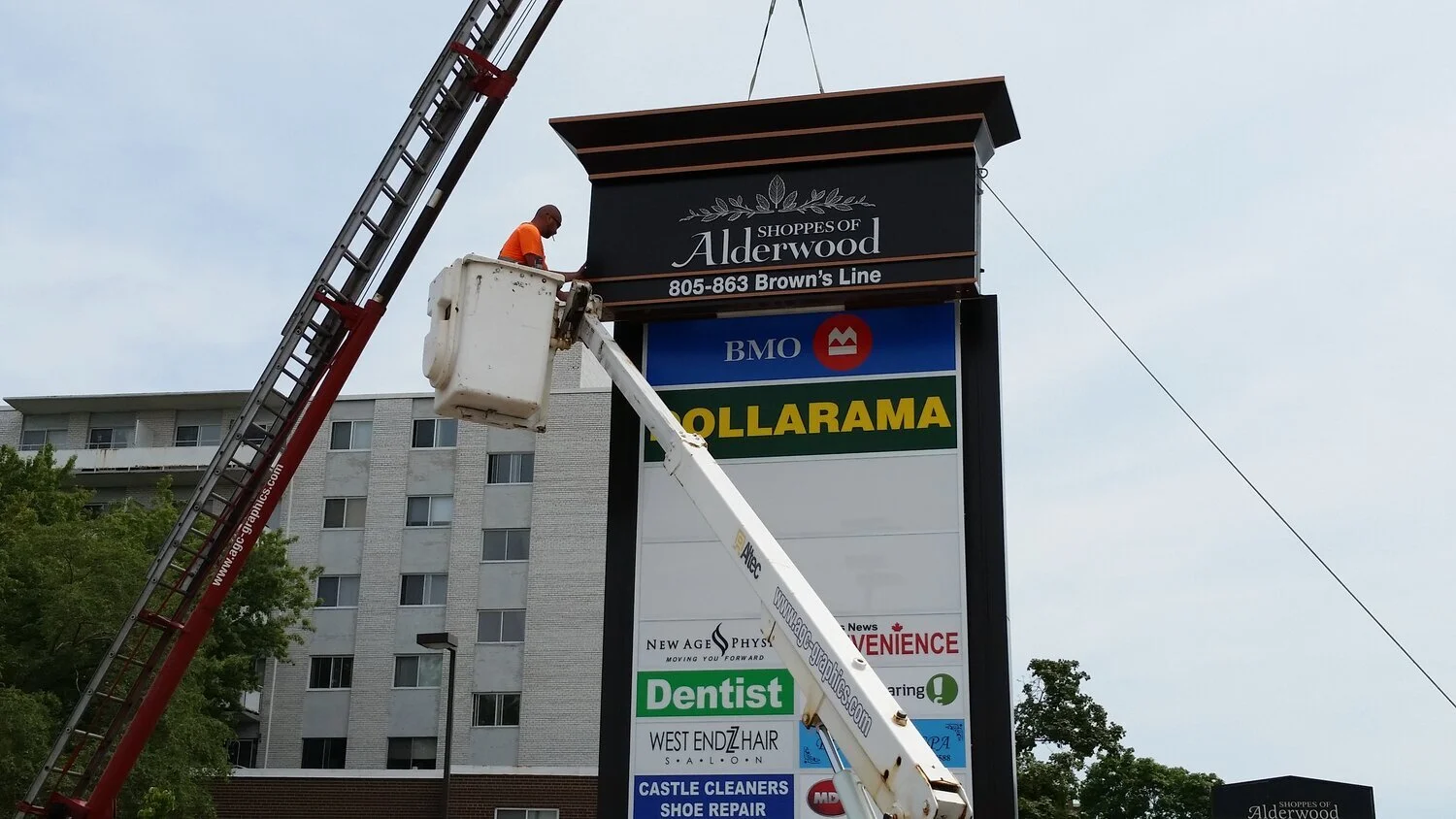
Why it increases cost: Ground-level installations are straightforward. Mounting a massive sign 40 feet up a building façade or near high-voltage power lines requires specialized bucket trucks, cranes, traffic control, and advanced rigging teams.
Real-World Example: Installing channel letters on a ground-floor retail window takes far less time and equipment than anchoring those same letters to a third-story brick exterior roofline.
4. Cost Breakdown by Industry
Every industry has distinct visibility requirements, which naturally alters the average commercial signage cost.
Retail & Strip Malls
Primary Signage: Channel letters, LED-lit storefront boxes, and window vinyl.
Average Storefront Sign Cost: $2,500 – $8,000
Key Consideration: Landlords in strip malls typically enforce strict design criteria regarding letter height and illumination styles to maintain uniformity across the plaza.
Restaurants & Hospitality
Primary Signage: Projecting blade signs, illuminated awnings, dynamic digital menu boards, and custom architectural entries.
Average Cost: $3,500 – $15,000+
Key Consideration: Readability at night is paramount. Restaurants rely heavily on warm, inviting neon or LED halo lighting to attract foot traffic during evening operating hours.
Industrial, Manufacturing & Warehouses
Primary Signage: Large, non-illuminated dimensional building logos and clear directional wayfinding waypoints for shipping trucks.
Average Cost: $1,500 – $7,000
Key Consideration: Durability is key. Signs must withstand harsh environmental conditions, heavy dust, and potential impacts from commercial vehicles.
Professional Offices & Corporate Centers
Primary Signage: High-end, low-profile monument signs at the main driveway, paired with elegant interior acrylic or metal lobby signs.
Average Monument Sign Cost: $5,000 – $25,000
Key Consideration: These signs favor premium materials like brushed stone, architectural concrete, and matte metals to convey stability and corporate prestige.


5. Installation, Permits, & Structural Costs
When evaluating a signage quote, ensure you look at the total project cost rather than just the manufacturing price.
[Manufacturing Base] + [Permit Fees] + [Engineering Review] + [Equipment & Crew Labor] = Total Installed CostPermit Fees: Municipal application fees usually range from $200 to $1,000, depending on your city’s specific fee structure.
Engineering Stamps: If your sign requires structural validation due to its size or height, a certified engineer's stamp can add $500 to $2,000.
Hourly Installation Labor: Professional crews using heavy machinery (bucket trucks, cranes) generally range from $150 to $300+ per hour.

6. Upfront vs. Monthly Cost Considerations
While the upfront cash layout for a premium custom sign can feel significant, it is important to analyze the ongoing costs versus longevity:
Operational Electricity: Modern LED illumination is incredibly energy-efficient. An average storefront LED sign costs only a few dollars a month to run, compared to older fluorescent neon tubes which draw massive amounts of power.
Maintenance & Service: Opting for cheaper, non-enclosed wiring or low-grade plastics leads to frequent service calls to fix dead bulbs or cracked faces. Investing in premium manufacturing cuts out recurring maintenance headaches.
7. The ROI of Business Signage: Why It Pays Off
A commercial sign should not be viewed as a sunk expense—it is a continuous marketing asset. Unlike digital ads that require a recurring daily budget, a physical sign is a one-time investment that markets your business 24 hours a day, 365 days a year.
According to studies by the International Sign Association (ISA), adding or updating an outdoor business sign can increase overall sales revenue by 7% to 15%. A well-placed sign captures impulse buyers, builds local brand awareness, and acts as a permanent landmark that guides clients directly to your front door.
8. Frequently Asked Questions (FAQ)
How long does it take to design, build, and install a sign?
On average, the entire process takes 4 to 8 weeks. Designing and manufacturing typically takes 2–3 weeks, but the overall timeline is often determined by how quickly your local municipality approves and issues the required sign permits.
Can I install a commercial business sign myself to save money?
For small vinyl graphics or simple, non-electrical indoor signs, self-installation is completely feasible. However, for permanent outdoor storefront signs, channel letters, or free-standing units, professional installation is critical. Moving parts, electrical tie-ins, heavy loads, and safety liability require experienced technicians and specialized equipment.
What is the difference between a pylon sign and a monument sign?
The main difference is height and structure. A monument sign is a low-profile structure (typically under 4–5 feet tall) sitting flush or low to the ground, designed to blend with landscaping. A pylon sign is a tall, towering structure mounted on steel poles, built to be seen from long distances or high-speed highways.
Are LED signs better than neon or fluorescent signs?
Yes. LEDs use up to 75% less energy than traditional incandescent or neon lighting, last significantly longer (up to 50,000+ hours), and perform flawlessly in extreme freezing or hot temperatures.

How Much Does a Business Sign Cost? - Ask AGC Signs!
Whether you need a simple storefront sign or are looking for the most elaborate pylon sign available, we can help! We’ll give you a fast, no-obligation quote, and in many instances, we’ll do your quote on-site.
AGC Signs has been reliably serving businesses in the Durham region for over 10 years. As a full-service sign company, we can manufacture, install, and service any type of signage you require.
All of our technicians are highly skilled and extremely hard-working, and we use only top-of-the-line equipment. You can trust us to do the job right; we do all the work ourselves and never subcontract it out. Contact us today for a quote.
“Amazing service by the staff. Very quick turn around even on last minute requests. Rhonda is always a pleasure to work with. Keep up the great work team!”


